The modern economy pulses with value that cannot be held in your hand. long-term economic value often lies in ideas, relationships, and brands that transcend physical boundaries. Yet, many business leaders overlook these hidden treasures, confining their focus to machinery, real estate, and inventory.
This article illuminates strategies to recognize, value, and leverage intangibles for sustainable growth. We delve into definitions, classifications, challenges, and practical steps, equipping you with actionable guidance to honor the full spectrum of corporate worth.
Across industries, intangible assets have propelled startups into global leadership, shaping destinies and rewriting market rules. From beloved consumer brands to breakthrough pharmaceutical compounds, intangible value lies at the heart of innovation and competitive edge.
What Are Intangible Assets?
Intangible assets are non-physical resources that provide enduring benefits. Unlike tangible assets such as warehouses or vehicles, intangibles flourish in the realm of ideas and experiences. These resources underpin innovation, customer loyalty, and market differentiation.
They can be classified by identifiable and separable assets. Some, like patents and trademarks, are separable and tradable. Others, such as goodwill or reputation, are woven into the fabric of an organization and cannot be sold independently.
Another key division lies in lifespan. Certain assets carry a definite and indefinite lives—patents expire, licenses lapse—while others endure indefinitely, riding the winds of corporate stewardship.
- Intellectual property: patents, copyrights, trade secrets, software
- Brand-related: logos, trademarks, corporate reputation, customer loyalty
- Customer relationships: explicit databases, informal networks of trust
- Other: franchises, licensing rights, research and development, strategic methodologies
Comparing Tangible and Intangible Assets
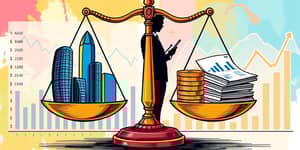
While machines are tangible, a brand’s promise lives only in the minds and hearts of stakeholders. This brand recognition as an intangible often outvalues the bricks and mortar it promotes. The contrast shapes financial statements and corporate strategy alike.
Challenges in Valuation
Assigning a monetary figure to intangibles involves navigating uncertainty. No active market may exist for a custom software code or a hard-earned reputation. Future revenue streams depend on innovation, market shifts, and consumer sentiment.
The key hurdles include data gaps, rapid obsolescence, and inherent subjectivity in valuation. Even seasoned analysts must balance rigorous models with informed judgment, blending quantitative methods with qualitative insight.
Key Valuation Approaches
Experts typically draw on three foundational approaches: market comparisons, income projections, and cost estimations. Within these pillars lie specialized methodologies that align with asset type and available data.
- Relief from Royalty Method: Calculates hypothetical royalties saved by owning rather than licensing a trademark or patent.
- With and Without Method: Compares discounted cash flows of business scenarios with and without the target asset.
- Multi-Period Excess Earnings Method: Isolates future cash flows attributable to a single asset, then discounts them.
- Real Option Pricing: Values the flexibility and future opportunities embedded in undeveloped patents or R&D projects.
- Replacement Cost Method: Estimates the cost to recreate an asset, subtracting depreciation and obsolescence.
Each method demands careful data collection: royalty benchmarks, revenue forecasts, discount rates, and cost analytics. No one-size-fits-all solution exists, but combining multiple approaches can enhance confidence in the resulting valuation.
Accounting and Reporting Best Practices
On financial statements, identifiable intangibles with finite lives are amortized systematically. Those with indefinite lives, such as brands or goodwill from acquisitions, undergo annual impairment testing. internally generated goodwill is expensed under most accounting standards, underscoring rigorous recognition criteria.
Accurate valuation affects more than balance sheets. It influences merger negotiations, financing terms, insurance coverage, and tax obligations. Embrace robust processes, from comprehensive asset inventories to periodic revaluations, to ensure that intangible assets reflect fair market value.
Moreover, the rising importance of digital assets—social media followings, data analytics platforms, online communities—calls for updated reporting frameworks. Companies that track and manage these intangible drivers can unlock new financing and partnership opportunities.
Real-World Examples and Applications
Consider a global tech leader: its data centers represent tangible infrastructure, but its worldwide brand magnetizes users to its services. That contrast between the physical and the perceptual underscores why companies invest millions in brand-building campaigns.
Acquisition stories offer further lessons. When one company pays above book value for another, the excess emerges as goodwill—often the most significant intangible on the balance sheet, reflecting synergies and future growth potential.
Licensing exemplifies monetization: a medical device patent may generate royalty streams for decades, without the licensor ever touching a single product. Such arrangements illustrate how unique and protected legally assets can fuel recurring income.
In the healthcare sector, a clinic’s curated social media presence became a tangible growth engine. Its loyalty-building content attracted patient referrals, demonstrating how intangible reputation converts directly into revenue.
- Google’s brand recognition fueling customer trust and market premium
- High-value acquisitions creating goodwill and synergy opportunities
- Patent licensing yielding predictable royalty income streams
- Digital influence transforming marketing reach into measurable asset value
Practical Steps to Harness Intangible Value
Step 1: Identify and catalog every intangible asset, from formal IP filings to emerging digital communities. A comprehensive registry prevents hidden value from slipping through the cracks.
Step 2: Select appropriate valuation methods that align with data availability and asset characteristics. Blend market, income, and cost approaches for a balanced perspective.
Step 3: Integrate insights into strategy by setting aside budget for brand-building, R&D, and relationship management. Recognize that intangibles—when nurtured—can become your company’s most enduring competitive advantage.
Conclusion
Intangible assets comprise the soul of a modern enterprise, shaping perceptions, fueling innovation, and unlocking future growth. By looking beyond the balance sheet, organizations can unveil hidden value and transform it into strategic advantage.
Embrace rigorous valuation, transparent reporting, and continuous stewardship of your intangible portfolio. In doing so, you not only honor the full scope of corporate worth but also ignite potential that resonates with stakeholders, investors, and communities alike.
References
- https://www.volopay.com/blog/what-are-intangible-assets/
- https://www.valentiam.com/newsandinsights/intangible-assets-valuation-methods
- https://www.indeed.com/career-advice/career-development/intangible-asset
- https://www.irs.gov/irm/part4/irm_04-048-005
- https://corporatefinanceinstitute.com/resources/accounting/intangible-assets/
- https://blogs.cfainstitute.org/investor/2019/01/11/a-renaissance-in-intangible-valuation-five-methods/
- https://www.wipo.int/en/web/intangible-assets
- https://wariplaw.com/5-methods-for-valuing-intangible-assets-in-your-company/
- https://www.americanexpress.com/en-gb/business/trends-and-insights/articles/what-are-intangible-assets/
- https://www.numeric.io/blog/what-are-intangible-assets-and-how-do-you-value-them
- https://www.pcecompanies.com/resources/how-to-value-your-intangible-assets-methods-factors-and-key-considerations
- https://www.irs.gov/businesses/small-businesses-self-employed/intangibles
- https://etonvs.com/valuation/intangible-asset-valuations/
- https://www.aicpa-cima.com/resources/download/three-approaches-to-valuing-intangible-assets