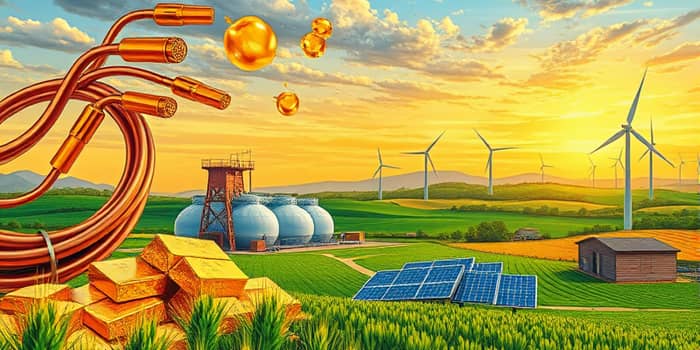
As global markets evolve, investors seek fresh avenues beyond traditional equities and debt instruments. Commodities stand out as a powerful tool for diversification, offering exposure to raw materials that underpin the world economy. In 2026, mixed signals abound: while energy transition drives demand for certain metals, oversupply pressures energy and agricultural sectors.
Why Commodities Matter in 2026
Commodities represent more than just raw goods; they embody the pulse of growth and innovation. From oil and gas to copper and wheat, these markets react swiftly to geopolitical shifts, technological breakthroughs, and climate events. By allocating capital to this asset class, investors can hedge against inflation, currency fluctuations, and unexpected supply disruptions.
For 2026, analysts forecast prices at lowest levels in six years, driven by weak growth projections and abundant oil supplies. Yet beneath the headline lies a tapestry of opportunities. Strategic participants can tailor their approach by focusing on transition metals, safe-haven precious metals, and niche agricultural plays.
Sector Breakdown and Price Forecasts
A clear understanding of each segment can guide decision-making. While overall commodity indices point downward, individual markets show divergent trends. A snapshot of key forecasts emphasizes where value may emerge.
This table highlights the nuanced landscape: a bearish backdrop for energy and agriculture contrasted by copper’s tightening global balance and meaningful deficits in aluminum and rare earths. Investors must weigh overall softness against pockets of structural scarcity.
Key Trends Shaping the Market
- Energy Transition Fuels Demand for copper, aluminum, and critical minerals as renewables and EVs expand.
- AI and Data Center Expansion driving unprecedented copper and power infrastructure needs.
- Geopolitical Tensions Create Dislocations in energy and metals, from trade sanctions to regional conflicts.
- Regulatory Pressures Increase Costs via carbon border taxes, traceability requirements, and environmental mandates.
Investment Strategies for a Changing Landscape
Effective allocation blends core positions with tactical plays. Here is a framework to consider:
- Underweight broad energy indices but overweight exposure to transition metals with tight supply, such as copper and aluminum.
- Allocate to safe-haven precious metals like gold and silver to cushion against volatility and currency swings.
- Target agricultural commodities with stable fundamentals—grains, oilseeds, and softs—while monitoring weather and logistics risks.
- Incorporate novel strategies using AI-driven hedging and blockchain-enabled supply chain visibility for optimal risk management.
Balancing Opportunities and Risks
No investment thesis is complete without a sober assessment of obstacles. Oversupply concerns loom large in oil and LNG, while shifting demand in agriculture could undercut near-term returns. Political developments, such as external tariffs and mineral export restrictions, pose additional headwinds.
- Bearish views cite China demand deceleration and cyclical slowdowns in base metals.
- Bullish scenarios hinge on supply disruptions, faster-than-expected energy transition, and renewed infrastructure spending.
- Unforeseen weather events and trade tensions remain wildcards, capable of triggering sharp price swings.
Practical Steps for Investors
To translate insight into action, investors can adopt the following approach:
1. Conduct rigorous supply-demand modeling for target commodities, using the latest industry data.
2. Leverage futures and options markets to hedge downside and capture upside potential in key sectors.
3. Partner with specialized funds or platforms that deploy digital transformation across value chains, enhancing real-time visibility.
4. Regularly review geopolitical developments and regulatory updates, recalibrating allocations as conditions evolve.
Conclusion
Commodities in 2026 present a mosaic of challenges and prospects. While broad indices may languish, strategic exposure to transition metals, precious metals, and select agricultural markets can yield attractive returns. By embracing data-driven methods, balancing risks, and staying attuned to global trends, investors can unlock the full potential of this dynamic asset class.
Embrace the commodities frontier to diversify and strengthen your portfolio in an era of structural change.
References
- https://www.morganstanley.com/im/de-de/intermediary-investor/insights/outlooks/trends-driving-optimism-in-2026.html
- https://www.baringa.com/en/insights/trading-business-of-tomorrow/commodity-market-trends-2026/
- https://www.worldbank.org/en/research/commodity-markets
- https://www.parametricportfolio.com/blog/commodity-market-outlook-2026
- https://www.oxfordeconomics.com/resource/commodities-outlook-2026-another-challenging-year-ahead/
- https://home.cib.natixis.com/articles/commodities-markets-exploring-key-themes-for-2026
- https://blogs.worldbank.org/en/developmenttalk/the-commodity-markets-outlook-in-eight-charts2
- https://about.bnef.com/insights/commodities/commodities-in-2026-10-numbers-to-watch-from-power-to-oil/
- https://www.ubs.com/us/en/wealth-management/insights/market-news/article.3002623.html
- https://flow.db.com/Topics/trade-finance/commodities-outlook-2026-where-next
- https://think.ing.com/bundles/commodities-outlook-2026-energy-cools-as-metals-heat-up/
- https://www.spglobal.com/energy/en/news-research/topics/commodities-2026
- https://www.fastmarkets.com/insights/key-topics/commodity-market-outlooks/