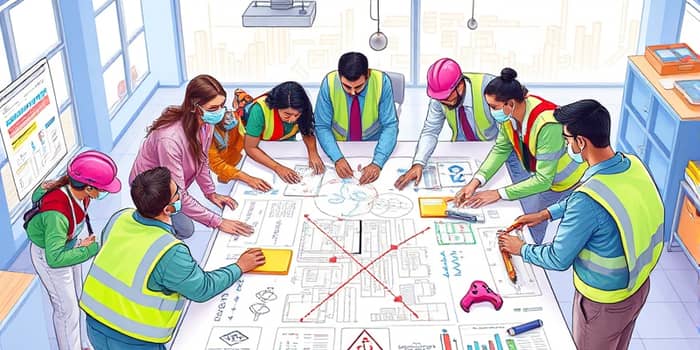
Every organization deserves a safety plan that aligns with its unique vision and risks. A truly effective strategy combines leadership, compliance, and culture in a seamless approach.
1. Leadership Commitment: The Foundation of Safety
The journey begins when executives make safety a company-wide priority. Leaders must integrate safety into the mission statement, allocate budgets, staff, technology, and time. By discussing progress in strategic reviews and tying performance goals to safety metrics, they set a visible example.
Accountability at the top cascades throughout the workforce. When leaders address safety failures swiftly, tie compensation to results, and recognize achievements publicly, they foster trust and drive engagement.
2. Understand Industry Regulations and Requirements
A tailored strategy must satisfy all applicable laws and standards. Start by identifying federal, state, and local regulations—such as OSHA standards—and documenting them.
Consult experts or peer organizations, review executive summaries, and keep a living document updated. Address industry-specific challenges like confined spaces and emergency action plans to ensure no hazard goes unaddressed.
3. Conduct Comprehensive Risk Assessments
Risk assessment is the cornerstone of any safety program. Use Job Hazard Analysis (JHA) to audit the workplace, identify physical, chemical, and ergonomic hazards, and analyze their impacts.
Prioritize findings by probability, severity, and mitigation feasibility. Engage employees through surveys, safety committees, and focus groups. Their frontline insights often uncover hidden risks and practical controls.
4. Set Clear, Measurable Goals
Goals transform intention into action. Align safety objectives with business outcomes—such as reducing incidents by 25% or increasing training completion rates by a set deadline.
Ensure each goal is realistic, trackable, and tied to the overall mission. Display them in common areas and review progress monthly to maintain momentum.
5. Develop Tailored Policies and Programs
Review existing procedures and plug any gaps. Create written, accessible guidelines for daily operations, emergencies, and special conditions.
Include engineering controls, administrative procedures, and PPE requirements. Use infographics or short videos to illustrate complex steps. Clarify roles and responsibilities, and schedule updates whenever new equipment or regulations emerge.
At minimum, document the following programs to ensure compliance and clarity:
- Hazard communication
- Lockout/tagout procedures
- Respiratory protection
- Personal protective equipment
- Bloodborne pathogens
- Emergency action plans
- Confined space entry
- Electrical safety
- Fire prevention
- Hearing conservation and trenching
6. Implement Training and Employee Empowerment
Effective training goes beyond lectures. Deliver customized sessions during onboarding, role changes, and equipment updates. Incorporate interactive elements to boost retention.
Leverage a robust LMS for tracking, and encourage participation through safety committees, hazard reporting systems, and peer-to-peer recognition.
Use a variety of training formats:
- Interactive workshops
- Hands-on demonstrations
- Online modules via LMS
- Periodic refresher sessions
7. Build and Integrate Safety Culture
Embedding safety into every process creates lasting change. From strategic planning and operations to HR practices—such as hiring, performance reviews, and rewards—safety must be ever-present.
Conduct regular safety walks, observations, and informal conversations. Recognize positive behaviors and address violations immediately. Appoint dedicated safety officers and cross-functional committees to champion initiatives.
8. Monitor, Measure, and Leverage Technology
Track safety performance alongside financial metrics. Use EHS software to manage procedures, training records, and real-time incident reporting.
Create dashboards for key performance indicators—near-miss rates, audit scores, and training completion. Analyze trends quarterly and refine your approach accordingly, closing the ongoing improvement cycle.
Change Management Phases for Lasting Adoption
Rolling out a custom safety strategy requires careful staging over time:
- Phase 1 (Months 1–3): Assess culture, share audit results, build urgency and vision, form coalitions, and communicate goals.
- Phase 2 (Months 4–12): Train leaders, implement observation and reporting programs, remove barriers, and celebrate early wins to reinforce behavior.
- Phase 3 (Year 2+): Embed safety in all business processes, refine using data-driven insights, develop next-generation leaders, and reassess annually.
By following these steps, organizations can craft a strategy tailored to organizational goals and resilient against complacency. The result is not only reduced incidents and compliance, but a thriving culture where every team member is empowered to contribute to a safer workplace.
Investing in a bespoke safety plan pays dividends in productivity, employee well-being, and long-term resilience. Start today, and transform safety from a checkbox into a core company value.
References
- https://ehs.inc/ehs/building-safety-culture
- https://cmarcottesafety.com/how-to-customize-health-and-safety-programs/
- https://hsqeconsultancy.co.uk/how-to-develop-a-health-and-safety-strategy/
- https://www.uscompliance.com/blog/creating-a-safety-roadmap-key-steps-to-developing-an-effective-workplace-safety-plan/
- https://blr.com/resources/how-to-build-a-safety-program-in-8-steps/
- https://www.salutesafety.com/5-strategies-for-a-strong-safety-culture-in-organizations/
- https://www.ishn.com/articles/114466-the-complete-guide-to-building-a-world-class-safety-culture
- https://edcal.acsa.org/a-style-guide-to-crafting-effective-safety-plans
- https://www.ehsinsight.com/blog/how-to-improve-safety-culture-strategies-for-a-better-workplace