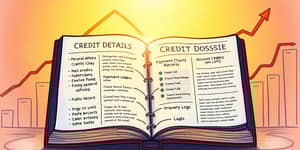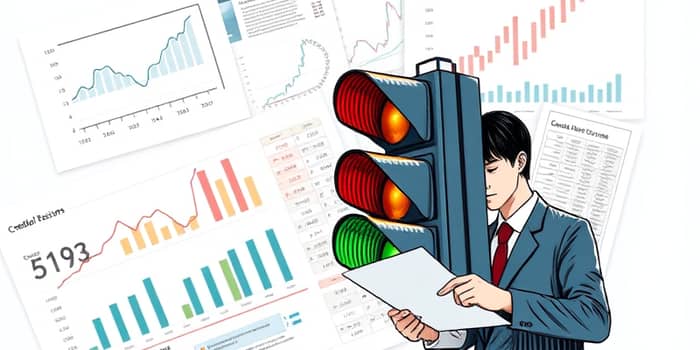
Every lender and borrower stands before the same crucial question: “Can this applicant reliably repay the loan now and in the future?” Navigating this decision demands a structured approach, turning warning signs into clear approval signals. By following a traffic light analogy and proven frameworks, stakeholders can make well-informed credit judgments and foster sustainable growth.
Introduction to Credit Risk Assessment
Credit risk assessment resembles a carefully calibrated funnel, guiding applications from broad pre-selection down to precise limit setting and pricing. It ensures compliance with regulations such as ASIC’s Responsible Lending Guidelines while protecting portfolios from defaults.
The four core stages in this funnel are:
- Pre-selection: Initial filtering using identity and basic criteria.
- Creditworthiness: Evaluating past repayment behavior and scores.
- Affordability: Analyzing income, expenses, and debt ratios.
- Limit-Setting/Pricing: Assigning risk-adjusted terms and conditions.
This sequence not only saves time and resources but also balances risk and opportunity. Early exclusion of high-risk profiles reduces costs, while thorough analysis of promising applicants secures healthy portfolios.
Red Flags: Common Pitfalls and Solutions
Spotting warning signs early prevents wasted effort and unexpected losses. The following red flags often trigger rejections or demand higher pricing:
- Low credit score or poor payment history.
- High credit utilization and BNPL overuse.
- Undisclosed debts such as HECS or personal loans.
- Inadequate or missing documentation.
- Large or unexplained deposits triggering AML checks.
- Erratic bank statement activity.
- Property valuation shortfalls.
- Inconsistent income or unstable employment.
- Bookkeeping discrepancies in accounts.
- High debt-to-income ratios and risky spending habits.
Each red flag erodes credibility and reduces borrowing power. For example, a single missed payment can slash capacity by thousands, while undisclosed debts often result in outright refusal.
Borrowers can proactively address these issues:
- Obtain a free credit report; dispute and correct errors.
- Reduce card limits and pause BNPL at least three months before application.
- Disclose all liabilities and provide clean, reconciled statements.
- Document any large deposits as gifts or family contributions.
- Maintain consistent bank balances and minimize non-essential withdrawals.
The Credit Risk Management Process
Transforming raw data into actionable decisions involves a step-by-step framework. Below is a unified ten-step process that lenders and credit officers can follow:
This systematic approach enforces consistency, aligns with regulatory expectations, and yields defensible decisions. By documenting each step, lenders can demonstrate compliance and maintain high governance standards.
Green Lights: Positive Indicators of Creditworthiness
While red flags warn of trouble, green lights highlight applicants ready for approval. Key positive traits include:
- Strong credit profile with scores above 650.
- Clean bank statements free of overdrafts.
- Stable income and verifiable employment history.
- Complete and reconciled financial documentation.
- High savings or sizable deposit funds.
- Minimal credit inquiries and paused BNPL usage.
- For businesses, rising profitability and robust management.
- Balanced debt-to-income ratios under 30%.
Recognizing these green lights empowers lenders to expedite approvals and borrowers to understand their strengths. A solid credit profile often outweighs minor concerns, transforming an amber status into a definitive go-ahead.
Tools and Best Practices for Lenders and Borrowers
Modern credit risk assessment leverages technology and standardized practices. Lenders and brokers commonly use credit bureau platforms like Equifax and Illion, along with RAG status systems to visualize portfolio health.
Borrowers benefit from early intervention by brokers who identify errors and advise on reducing limits and optimizing ratios. On the lender side, ongoing monitoring and stress testing under various economic scenarios help maintain resilience.
Integrating the Five Cs of Credit within digital workflows yields a holistic profile rather than relying solely on lagging numeric scores. This balanced approach uncovers opportunities that pure algorithms might miss.
Case Studies: Lessons from Real-World Scenarios
A small manufacturing business secured a loan after its accountant prepared reconciled statements showing rising profitability. The lender noted the consistent margin improvement and extended favorable terms.
In another example, a homeowner faced a valuation shortfall on an off-plan property. By providing additional deposit funds and updated market reports, they satisfied the lender’s collateral requirements and closed on time.
An individual with a high credit score but erratic bank patterns paused BNPL usage, cleaned up statements, and saw their borrowing capacity increase by 20%. Early advice from a broker proved invaluable in correcting course.
Conclusion: Transforming Red to Green
In today’s dynamic credit landscape, informed judgments separate success from setbacks. By systematically identifying and addressing red flags, following a clear risk management framework, and emphasizing green lights, lenders and borrowers alike can achieve sustainable financial outcomes.
Empowered with best practices, robust tools, and real-world insights, stakeholders can turn warning signs into opportunities. The journey from red flags to green lights starts with a single informed decision—make yours count.
References
- https://www.stryve.com.au/home-loan-tips-mistakes/red-flag-in-approval-home-loan
- https://validifi.com/assessing-credit-risk-the-five-step-risk-management-process/
- https://www.booxkeeping.com/5-bookkeeping-red-flags/
- https://taktile.com/articles/beginners-guide-to-lending-how-to-assess-credit-risk
- https://insights.raconteur.net/a-new-approach-to-credit-risk-management/
- https://eoxs.com/new_blog/how-to-conduct-effective-credit-risk-assessments-a-step-by-step-guide/
- https://www.clearpointstrategy.com/blog/establish-rag-statuses-for-kpis
- https://gdslink.com/credit-risk-management-process-best-practices-techniques/
- https://www.lendersonlinetraining.com/red-flag-green-light/
- https://corporatefinanceinstitute.com/resources/commercial-lending/credit-risk-analysis/
- https://thrivesteady.net/p/from-red-flags-to-green-lights-navigating-credit-indicators/
- https://www.allianz-trade.com/en_US/insights/how-to-improve-credit-risk-analysis.html
- https://www.investmentnews.com/practice-management/financial-green-flags-matter-more-than-red-flags-in-relationships-jpmorgan-study-finds/262680
- https://www.ncontracts.com/nsight-blog/creating-reliable-risk-assessments