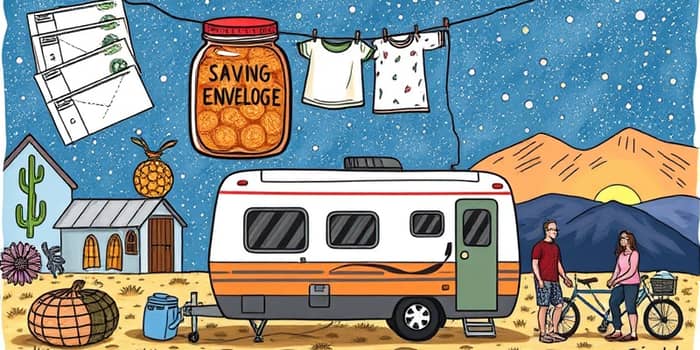
Saving money often feels like a relentless struggle—endless spreadsheets, discipline tests, and the temptation of shiny new gadgets. What if you could break free from traditional budgeting and adopt creative, practical methods that reshape your habits and mindsets? This guide unveils a trove of unconventional strategies designed to inspire, challenge, and ultimately boost your financial resilience. Prepare to explore low-tech tricks, social accountability methods, and lifestyle tweaks that deliver tangible spending visibility and control and substantial bank account boosts.
Behavioral and Psychological Hacks
Most saving failures stem from deep-seated habits and impulses, not spreadsheets. By harnessing psychological nudges, you can build a framework that keeps you honest without constant self-flagellation.
At the heart of these techniques lies the power of community and accountability. When you share progress or constraints aloud, you’re less likely to stray. TikTok, online forums, and friend circles amplify these effects, creating a supportive environment that cheers every win and recalibrates after every slip.
- Verbal accountability in social settings adds an extra layer of responsibility.
- Social and peer budgeting circles meet regularly to compare goals and swap tips.
- Cash stuffing or envelope systems allocate physical money into spending categories, halting overspending when each envelope empties.
These methods may feel old-fashioned, but their psychological impact is profound. Integrate them consistently, and you’ll see how simple shifts spark significant long-term savings momentum.
Lifestyle and Habit Shifts
Beyond behavioral tweaks, transforming everyday habits delivers steady, ongoing savings. Tiny adjustments often compound to hundreds of dollars each year.
Consider pairing healthy living goals with financial wins. Quitting vaping, reducing alcohol intake, or replacing processed snacks with homemade options slashes both medical and grocery expenses. Embrace a no spend weekday challenge to pause purchases Monday through Friday. Use pantry inventories before shopping—label jars, date leftovers, and build meals around existing supplies. This pantry-first meal planning approach avoids food waste and teaches creative cooking.
Emphasize do-it-yourself solutions. Craft your own cleaning supplies with simple ingredients like vinegar and baking soda. Repair or repurpose household items, from mason jar storage systems to thrifted furniture makeovers. Each DIY success is a meaningful reminder of your resourcefulness and can save hundreds annually.
Food and Grocery Hacks
Grocery spending often drains budgets. These hacks focus on planning, strategic purchasing, and efficient storage.
First, leverage online ordering and grocery pickup. By selecting sale items and coupon deals ahead of time, you avoid impulse buys at the store. Pair this with bulk purchasing for staples like rice, beans, and oats. Buying in larger quantities cuts unit costs and ensures you always have essential ingredients on hand.
- Alternative proteins such as beans and lentils reduce expensive meat costs while boosting nutrition.
- Vacuum sealing and freezing cooked batches in portioned trays prevents waste and deters last-minute takeout temptations.
- Smart meal planning with rotating seasonal produce and circular-driven lists helps you buy only what you need.
By creating a seamless cycle of planning, purchasing, prepping, and storing, you can reclaim control over your grocery bill and save hundreds each year.
Energy and Home Efficiency Hacks
Utility bills are sneaky money drains. Often, simple behavior tweaks yield dramatic reductions in electricity and water usage.
Hang-drying laundry can cut your dryer-related energy consumption by more than half. Unplug electronics when not in use, and install power strips to kill phantom loads with one switch. Conduct a brief audit of your home’s insulation, sealing gaps around windows and doors to stop heat loss or gain.
Take advantage of natural light instead of artificial illumination whenever possible. Recalibrate your thermostat by just a degree or two—each change can translate to appreciable savings over a full season. These small adjustments reflect an instinctive resource use and mindfulness that transforms your utility bills.
Travel and Accommodation Hacks
For those who live or travel in RVs, vans, or simply love road trips, creative accommodation solutions unlock major savings without sacrificing comfort.
- Barter your skills, such as maintenance or digital services, at campgrounds or farms in exchange for free or discounted stays.
- Boondock on public lands managed by BLM and USFS for free overnight parking, moving only as regulations require.
- Join networks like Harvest Hosts and Boondockers Welcome to access complimentary overnight spots at vineyards, farms, and museums in exchange for small purchases.
These alternatives often cost a fraction of traditional campsites, allowing you to allocate more funds toward experiences, gear, or emergency savings. Plus, interacting with local hosts fosters meaningful connections that go beyond mere convenience.
Fitness, Subscriptions, and Tech Considerations
Recurring memberships and apps promise convenience but can quietly erode finances. Adopt a critical mindset before signing up or renewing.
Explore public parks, hiking trails, and DIY workout circuits instead of pricey gym fees. Check workout areas in RV parks or community centers for free options. Replace paid streaming subscriptions with library digital services offering e-books, audiobooks, language courses, and films. This subscription killer strategy for savings keeps entertainment and learning accessible at no cost.
When it comes to budgeting apps, choose platforms like YNAB or EveryDollar, but remain vigilant against round-up features that nudge overspending. Awareness and discipline, rather than automation, ultimately govern your success.
Savings Challenges and Projected Totals
Structured challenges bring fun and accountability to saving. Choose one that resonates and stick with it for long-term momentum.
Completing these challenges creates a sense of achievement and momentum. As one wraps up, simply move on to the next to keep your savings trajectory climbing.
Income-Boosting and Side Hustle Hacks
Supplementary income inflows accelerate your saving goals. Explore gig platforms, monetize hobbies, or invest in dividend-yielding assets so your money works for you.
Popular options include freelance marketplaces like Upwork or Fiverr, peer-to-peer lending, real estate investment trusts (REITs), and content creation on social platforms. Even modest monthly earnings, when redirected immediately to savings, can pave the way toward significant financial freedom.
Conclusion
Embracing unconventional saving hacks means more than pinching pennies—it’s about cultivating lifelong financial resilience and adaptability and a mindset of creativity and community. Whether you’re swapping skills for RV stays, leveraging social accountability, or turning pantry staples into gourmet meals, each small change compounds over time.
Pick a few methods that resonate, commit to experimenting for at least one month, and track your progress. As you witness the real-world impact—both in your bank account and in your newfound sense of empowerment—you’ll discover that saving isn’t a chore, but a rewarding journey toward greater security and possibility.
References
- https://theskirtingco.com/introducing-26-of-the-best-ways-to-save-money-in-2026/
- https://www.edvisors.com/blog/uncommon-budgeting-strategies/
- https://www.upworthy.com/money-saving-tips-2026/
- https://www.aeaweb.org/conference/2023/program/paper/D8QD5Z29
- https://www.youtube.com/watch?v=Eyw0Uzg0f4o
- https://www.pnc.com/insights/personal-finance/save/money-saving-challenges.html
- https://www.nasb.com/blog/detail/how-to-save-money-in-2026
- https://www.wisebread.com/51-unusual-money-saving-tips-from-readers
- https://lunchmoney.app/blog/5-savings-challenges-to-try-in-2026
- https://pmc.ncbi.nlm.nih.gov/articles/PMC5125729/
- https://www.nasdaq.com/articles/11-secrets-saving-more-money-2026
- https://www.aol.com/articles/2-stupid-ways-most-people-140010188.html