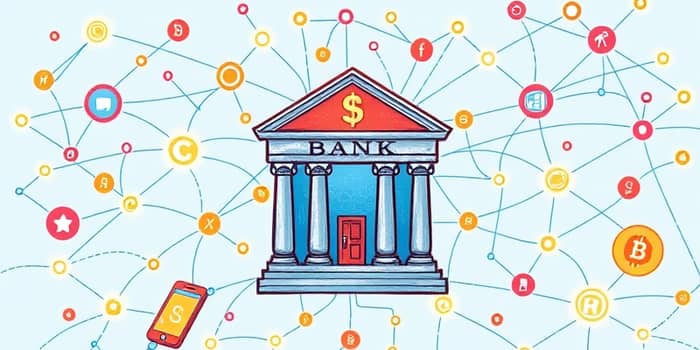
The financial world is undergoing a profound metamorphosis as institutions and innovators embrace the digital revolution sweeping through finance. What was once a closed system of ledgers and manual processes has blossomed into an interconnected ecosystem of platforms, applications, and data streams. At the heart of this transformation lies the API economy, a powerful force reshaping how banks, fintechs, and customers interact in a fast-evolving marketplace.
By enabling seamless communication between systems, APIs serve as the building blocks of modern financial services. They allow organizations to expose digital assets in a controlled way, driving growth and opening doors to new revenue models. This article explores how the API economy fosters collaboration, innovation, and efficiency across the financial sector.
Understanding the API Economy
In its essence, the API economy represents the value exchange between API providers and consumers. Financial APIs act as intermediaries, authenticating requests, retrieving and translating data, and delivering information in standardized formats. Such streamlined interactions empower developers and businesses to build sophisticated applications faster than ever.
These interfaces rest on four foundational pillars: social, mobile, analytics, and cloud. By leveraging these pillars, banks can unlock new capabilities, enhance customer insights, and scale services dynamically. Whether delivering real-time transaction histories or processing payments across borders, APIs embody the foundation of digital transformation in finance.
Empowering Financial Applications
APIs have unleashed a wave of innovative solutions that were unimaginable only a decade ago. From budgeting tools that analyze spending patterns to lending platforms that underwrite loans in minutes, the possibilities are endless. Developers can compose modular services, combining them into user-friendly products that delight customers.
- Personal finance apps that aggregate accounts, track expenses, and forecast budgets.
- Payment processors enabling seamless e-commerce transactions and point-of-sale integrations.
- Neobanks and challenger banks offering digital-only services with modern interfaces.
- Robo-advisors that automate portfolio management based on market data and risk profiles.
- Lending platforms assessing creditworthiness, disbursing funds, and managing repayments.
Beyond these core use cases, APIs fuel innovative offerings such as mortgage scenario simulations, IoT-enabled rewards tracking, and advanced fraud detection sharing. This streamlined complex financial procedures has never been more accessible.
Driving Business Value
For banks and established institutions, APIs are not merely technical tools; they are strategic assets that unlock new markets and partnerships. By embracing open banking standards and API monetization models, financial organizations can:
- Restructure legacy systems to support agile development and reduce maintenance overhead.
- Create fresh revenue streams by selling anonymized data or premium access to API endpoints.
- Offer 360-degree customer views and insights that power hyper-personalized experiences.
- Integrate AI-driven front-office applications with traditional back-end systems for full interoperability.
Startup fintech companies likewise reap significant rewards. Prebuilt APIs eliminate the need to reinvent payment processing or data aggregation, allowing innovators to focus on core differentiators. Customers, in turn, benefit from personalized financial services and recommendations, enjoying seamless interfaces and faster decision-making processes.
Forging Strategic Partnerships
Rather than view each other as adversaries, banks and fintechs are forging alliances that amplify strengths on both sides. This collaborative strategy for mutual benefit takes many forms, including:
These ecosystems encourage mutual growth: banks gain agility and market reach, while fintechs access robust regulatory and operational frameworks. Together they deliver superior offerings, transforming user journeys into cohesive, holistic experiences.
Envisioning the Future
The momentum behind the API economy shows no signs of slowing. Global fintech investments topped $113.7 billion in 2023, and major technology firms are doubling down on API monetization as a core business strategy. As the landscape evolves, APIs will drive new waves of innovation, from decentralized finance protocols to AI-powered advisory services.
Developers will continue to explore uncharted territories, leveraging open data to craft solutions that anticipate user needs. Regulatory frameworks will adapt, balancing security with the imperative for progress. Ultimately, the API economy will deliver more personalized and efficient services that empower customers worldwide.
Conclusion
As we stand at this crossroads of finance and technology, the API economy emerges as a beacon of possibility. It is not merely a technical construct but a philosophy of openness, collaboration, and customer-centric design. By embracing this paradigm, financial institutions and innovators can transcend traditional barriers, unlocking unprecedented value for themselves and the communities they serve.
Now is the moment to engage, experiment, and evolve. Whether you represent a global bank, a nimble startup, or an individual developer, the API economy invites you to shape the future of finance—one connection at a time.
References
- https://stayrelevant.globant.com/en/technology/financial-services/modernizing-retail-banks-api-economy-future-holds/
- https://www.microsoft.com/en-us/industry/blog/financial-services/2015/05/27/empowering-the-digital-bank-the-api-economy-helping-financial-services-companies-to-build-better-products/
- https://www.techtarget.com/searchapparchitecture/definition/API-economy
- https://stripe.com/resources/more/financial-apis-explained-what-they-are-how-they-work-and-how-they-are-changing-fintech
- https://konghq.com/blog/enterprise/api-economy
- https://blog.axway.com/learning-center/apis/basics/api-economy
- https://www.mulesoft.com/api/what-is-an-api-economy