In 2026, the defining shift in corporate sustainability is clear: ambitions alone no longer win trust—only proven results do. Organizations face a crucible of data challenges, supply chain complexities, regulatory demands, and accelerating change, forcing them to bridge the gap between promise and performance.
From Ambition to Execution
For years, corporations dazzled stakeholders with lofty targets and visionary pledges. Now, the narrative has pivoted: rigorous execution over lofty goals is what earns credibility. Companies must embed sustainability into every facet of their business, ensuring that each initiative drives measurable impact.
This transformation demands not just new strategies but a cultural shift. Boardrooms and frontline teams alike must rally behind clear metrics, transparent progress tracking, and agile governance that can adapt as pressures evolve.
Investors and customers now demand more than statements; they seek evidence. Without robust systems and shared accountability, even the most compelling mission risks being dismissed as empty rhetoric.
1. Data Governance and Reporting Infrastructure Crisis
Most organizations rely on legacy financial systems that were never designed to capture non-financial metrics like waste diversion or Scope 3 emissions. Without modern data architecture, sustainability reporting remains fragmented and error-prone.
As accusations of greenwashing rise and legal liabilities mount, stakeholders question every figure. Decisions made on unreliable data can trigger costly recalls, fines, or reputational damage.
Building modern sustainability systems is no longer optional—it is foundational. Companies must invest in real-time ingestion, audit trails, and governance frameworks that ensure data integrity from source to report.
Without trustworthy data, leaders cannot enable real-time decision support across functions. The result is delay, misalignment, and missed opportunities to optimize processes and reduce risks.
2. Supply Chain Visibility and Control Gaps
Global supply networks can span thousands of suppliers across dozens of countries, yet fewer than 15% provide verified environmental or labor data. New regulations demand value-chain transparency, leaving companies exposed if gaps persist.
No single organization can achieve decarbonization or social responsibility in isolation. Success hinges on deep collaboration, harmonized measurement protocols, and digital platforms that connect all tiers.
In 2026, procurement-driven climate action will separate leaders from laggards. Teams must engage suppliers, co-finance interventions, and share best practices to unlock collective progress.
Executives often find themselves grappling with incomplete supplier responses, delayed audits, and mismatched KPIs—challenges that erode trust and stall transformation.
3. Operational Silos and Fragmented Execution
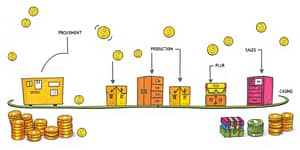
Organizations often operate in departmental silos: finance chases quarterly earnings, operations pursues cost cuts, procurement focuses on delivery, and sustainability tracks environmental goals. This fragmentation stifles innovation and breeds conflict.
Without mechanisms for alignment, sustainability initiatives become side projects rather than core drivers of efficiency and value. Information stays trapped behind fiefdoms, and opportunities slip through the cracks.
Breaking down these walls requires clear governance, unified KPIs, and shared accountability mechanisms at every level. A cohesive strategy turns disparate efforts into a powerful engine for change.
4. Regulatory and Compliance Complexity
Global mandates—from the EU’s CSRD and CBAM to ISSB standards—are raising the bar for accuracy, transparency, and investor-grade data. Meeting these requirements demands an entirely new data, governance, and operational ecosystem.
Double Materiality Assessments now underpin credible strategies, forcing companies to consider both financial and environmental impacts. As regulators tighten disclosure rules, any misstep can trigger hefty penalties.
Regulatory misalignment across regions adds further complexity. Organizations must navigate conflicting timelines and standards while ensuring consistency in reporting and controls.
5. Pace of Technological, Regulatory, and Cultural Change
Accelerating advances in AI, industrial technologies, and digital governance tools create both risks and opportunities. Companies that hesitate risk falling behind rivals who leverage automation for faster reporting and deeper risk analysis.
Internally, teams feel overwhelmed by shifting priorities, from carbon accounting to human rights due diligence. Without clear roadmaps, fatigue sets in, eroding morale and momentum.
To thrive, organizations must adopt a mindset of continuous adaptation, using emerging tools to anticipate disruptions and unlock new efficiencies.
Key Strategic Trends Reshaping Business Models
- Circularity as core strategy: repositioning product reuse and recycling to secure materials.
- Climate adaptation as operational imperative: embedding resilience into infrastructure and processes.
- Voluntary carbon markets maturation: prioritizing high-integrity credits with long-term offtake agreements.
- Value chain collaboration as competitive differentiator: co-financing decarbonization and sharing best practices.
Interconnected Risks Amplify Challenges
Weak data governance worsens supply chain opacity, while fragmented execution undermines ROI measurement. Each gap feeds into the next, creating a web of risks that can paralyze organizations or lead to costly missteps.
Addressing one challenge in isolation no longer works. Companies must design integrated strategies that consider how data, operations, compliance, and collaboration intersect to drive sustainable outcomes.
Leadership must build cross-functional playbooks, aligning technology investments with process redesigns and talent development to navigate this complex landscape.
Critical Organizational Imperatives
To thrive under mounting pressures, executives must move beyond ambition and embed sustainability into core governance and operations.
- Conduct a data readiness assessment: map existing capabilities and identify critical gaps.
- Establish baselines for emissions, waste, and social impacts through rigorous audits.
- Form an executive-level sustainability steering committee with clear accountability and quarterly reviews.
Looking ahead, treat 2026 as a year of strategic consolidation, locking in resilience and reinforcing fundamentals.
- Double down on data integrity, supply chain partnerships, and operational alignment.
- Invest in scalable technologies that automate reporting and risk monitoring.
- Embed sustainability metrics into all planning, budgeting, and performance evaluations.
By embracing these imperatives, organizations can transform sustainability from a compliance burden into a catalyst for innovation, resilience, and long-term growth. The businesses best prepared will not only survive under pressure—they will define the new standards of responsible capitalism in an era defined by complexity and urgency.
References
- https://consulting.okapienvironmental.com/blog/strategic-sustainability/five-critical-challenges-for-sustainability-in-2026/
- https://www.imd.org/ibyimd/industry/sustainability/sustainability-trends-businesses-must-watch-in-2026/
- https://eco-act.com/blog/2026-corporate-sustainability-trends/
- https://nordicsustainability.com/insight/6-sustainability-trends-shaping-businesses-in-2026/
- https://sustainability.freshfields.com/post/102mfa5/7-esg-trends-to-watch-in-2026
- https://www.msci.com/research-and-insights/blog-post/sustainability-and-climate-in-focus-trends-to-watch-for-2026
- https://trellis.net/article/how-to-set-sustainability-strategy-in-2026/
- https://www.socialsuitehq.com/articles/sustainability-trends-that-will-define-2026-and-the-years-beyond