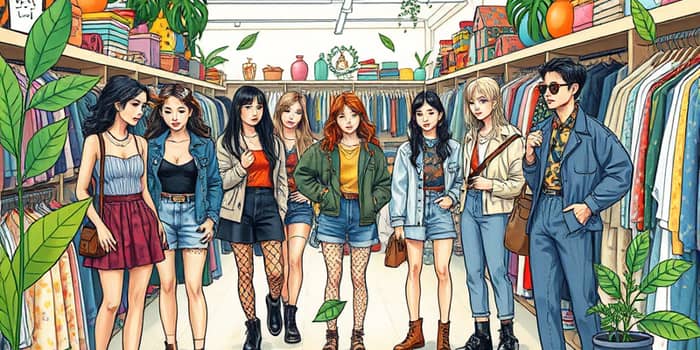
In an era of soaring living costs and environmental urgency, the art of dressing well on a budget has never been more powerful. The Frugal Fashionista movement champions creativity, sustainability, and economic savvy, proving that you don’t need to empty your wallet to look runway-ready.
From critiquing the wastefulness of disposable trends to embracing quality basics, this guide will equip you with insights, stats, and actionable strategies to curate a wardrobe that’s both stylish and sustainable.
Unpacking the True Cost of Fast Fashion
The global appetite for cheap, trend-driven clothing comes at a steep price. Beyond the tag, there are profound environmental, social, and financial consequences that demand our attention.
When we factor in production emissions, water consumption, and unfair labor practices, it becomes impossible to ignore the hidden environmental and social costs embedded in every bargain-bin purchase.
- Fast fashion industry valued at $161 billion in 2026, driving 10% of global carbon emissions and consuming 93 billion cubic meters of water annually.
- Average garment is worn 36% fewer times than 15 years ago, with Americans purchasing 68 new items each year.
- Workers in garment hubs earn as little as $140–$200 per month, highlighting stark ethical concerns.
- Gen Z fuels the cycle: 55% use Buy Now Pay Later for unaffordable clothes, and impulse purchases account for 40% of their fashion buys.
- One in six young shoppers won’t rewear outfits posted on social media, underscoring a disposable style culture.
2026 Trends: Timeless Style Meets Budget-Savvy Adaptations
As fashion pivots away from fleeting fads like paper-bag waist pants and shackets, 2026 embraces bold silhouettes, vibrant prints, and functional details. With second-hand shopping and dupe hunting, you can mirror high-end looks without the markup.
By blending trending shapes with classic wardrobe anchors, you achieve a fresh, frugal chic aesthetic that stands out without overspending.
Rising Demand for Frugal Fashion
In a $1.42 trillion global apparel market projected for 2026, consumers are recalibrating priorities. Inflation and economic pressures mean 70% of shoppers worldwide now emphasize value and affordability over impulse buys.
Pre-loved clothing has seen explosive growth, with 35% of global consumers considering second-hand options—40% of women versus 29% of men. This market is expanding 11 times faster than traditional retail, signaling a fundamental shift toward frugal chic wardrobes and practices.
Gen Z remains paradoxical: 94% support sustainability, yet 62% continue fast-fashion purchases monthly. The opportunity lies in offering accessible, stylish alternatives that align values with habits.
Building Your Frugal Chic Wardrobe
Curating a versatile, wallet-friendly closet requires intention and strategy. Focus on quality basics, savvy deal hunting, and mindful brand choices. Prioritize timeless investment pieces for your wardrobe that move seamlessly between casual and polished looks.
- Embrace thrifting and vintage sourcing: scour local shops and online resale platforms for unique, high-quality finds.
- Choose high-quality basics: invest in well-fitting tees, denim, and neutral blazers to anchor every outfit.
- Budget-friendly luxury dupes and finds: replicate runway trends with under-$100 versions that last season after season.
- Monitor sales and flash promotions: subscribe to omnichannel alerts to snag premium pieces at deep discounts.
- Participate in clothing swaps and rental services: refresh your look responsibly and affordably with community-driven events.
Embracing Sustainability Without Compromise
Sustainability need not be a luxury. Many eco-friendly brands now offer recycled fabrics, transparent supply chains, and circular initiatives. Virtual try-ons and digital fashion events reduce returns and lower carbon footprints, making conscious consumption both chic and convenient.
Fashion pioneer Vivienne Westwood famously urged us to Buy less. Choose well. Make it last. By adhering to this mantra, you champion ethical production, conserve resources, and elevate your personal style.
Ultimately, adopting mindful consumption habits and strategic shopping empowers you to build a wardrobe that reflects your values, supports workers, and preserves the planet—without compromising on flair or breaking the bank. Join the Frugal Fashionista movement today, and redefine what it means to dress well in 2026 and beyond.
References
- https://thesustainableagency.com/blog/impact-of-fast-fashion-stats-and-facts/
- https://www.youtube.com/watch?v=eozNbyJC8bc
- https://yougov.com/articles/49766-fashion-on-a-budget-exploring-consumer-willingness-to-buy-second-hand-clothing-and-shoes
- https://www.youtube.com/watch?v=mhetvRXYtxE
- https://www.gofrugal.com/blog/apparel-industry-trends/
- https://www.marieclaire.com/fashion/fashion-trends-2026/
- https://news.samsungcnt.com/en/features/fashion/2025-12-samsung-fashion-research-institute-releases-the-top-10-issues-shaping-koreas-fashion-industry-in-2025/
- https://www.whowhatwear.com/affordable-fashion-trends-spring-2026
- https://ecothes.com/blog/fast-fashion-statistics
- https://champagneandsavings.com/blog/out-style-womens-fashion-trends-2026
- https://rawshot.ai/statistic/fast-fashion
- https://www.mckinsey.com/industries/retail/our-insights/what-to-expect-in-the-global-fashion-industry-in-2026
- https://www.economicsobservatory.com/fast-fashion-what-are-the-true-costs
- https://flanellemag.com/what-fashion-trends-will-define-2026/
- https://changingmarkets.org/report/fossil-fashion-the-hidden-reliance-of-fast-fashion-on-fossil-fuels/