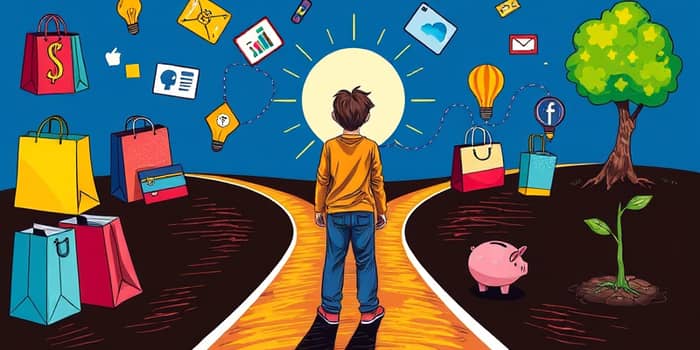
Every swipe, click, or tap triggers a complex dance between emotion, cognition, and social signals. While budgets and spreadsheets give us a logical framework, our brains often follow different rules. By exploring the forces that pull our wallets open, we can reclaim control and build healthier financial habits.
Emotional Drivers Behind Your Purchases
At its core, spending is rarely a purely rational act. The anticipation triggers dopamine release, activating the brain’s reward circuitry even before we complete a purchase. That rush can become addictive: stress, boredom, or sadness prompt us to seek relief through shopping, known as retail therapy. In these moments, the immediate joy of buying overshadows long-term consequences, fueling cycles of impulse spending.
Instant gratification reigns supreme when emotions run high. A new gadget or a designer item can feel like a quick fix, but the relief is fleeting. Over time, these habits erode savings and heighten financial anxiety, creating a feedback loop where we spend more to soothe the stress created by overspending.
Cognitive Biases and Their Impact
Our minds harbor hidden shortcuts and distortions that skew spending decisions. Cognitive biases that distort choices include the sunk cost fallacy—continuing to pour money into failing investments—and the optimism bias, which convinces us that future windfalls will cover today’s expenses.
Research shows that lifestyle inflation causes households to boost spending by 5% after income gains, as new earnings justify upgraded homes, cars, and vacations. Meanwhile, a disconnect from our future selves reduces our motivation to save. When tomorrow feels like a stranger, we prioritize present luxuries over long-term goals.
The Role of Payment Methods
The way we pay directly alters our perception of cost. In one MIT Sloan study, credit card bidders offered more than twice what cash bidders paid for tickets, because the psychological cost of spending feels lower when numbers disappear on a screen.
Similarly, digital and contactless payments blur the sense of loss, while cash purchases create a tangible pain that curbs overspending. Payment frequency also matters: gig workers receiving weekly paychecks often feel wealthier and spend more, compared to salaried employees with monthly deposits.
Strategies for Conscious Spending
Awareness is the first step toward mastery. By tracking every expense—even a morning coffee—you shine light on hidden patterns. Combine that with targeted pausing tactics to interrupt impulsive urges.
- Implement a 48-hour wait period before non-essential purchases.
- Use cash-only envelopes for discretionary spending categories.
- Limit exposure to social media to reduce FOMO triggers.
- Practice gratitude journaling to shift focus from consumption to contentment.
Beyond these tactics, embrace alternative activities to curb impulses. A brisk walk, a cup of tea with a friend, or a quick mindfulness exercise can release dopamine without depleting your bank account. Over time, small habit changes compound into significant savings.
Connecting With Your Future Self
Visualizing your future self strengthens the emotional bond to long-term goals. Techniques like writing a letter from your 70-year-old self or using age-progression apps make tomorrow feel real today. This alignment reduces impulsivity and increases the likelihood of sticking to saving plans.
Incorporate the “disturb” method: imagine the regrets and stress you’d feel if you deplete your emergency fund for a fleeting pleasure. That gentle discomfort can steer you toward decisions that honor both present desires and future security.
Expert Insights and Real-Life Stories
Drazen Prelec of MIT reminds us that paying with plastic only halves the felt cost of spending, creating a “moral tax” we rarely notice. Terri Kallsen at Charles Schwab warns about social media’s power to amplify envy and drive unnecessary purchases.
Consider Ava, a graphic designer who trimmed her monthly overspending by 40% after tracking her expenses for just two weeks. By swapping weekend shopping sprees for free community events, she not only saved money but discovered a passion for local art and culture.
Building Lasting Change
Breaking free from unconscious spending patterns takes patience and persistence. Leverage the brain’s neuroplasticity by repeating mindful habits until they become second nature. Celebrate small wins—like sticking to your budget for a month—to reinforce positive behaviors.
Finally, cultivate a balanced money mindset. View finances as a tool to support your values rather than an end in itself. With each conscious choice, you strengthen your financial resilience and move closer to a life defined by freedom, not by debt.
References
- https://fillthegap.education/2024/11/08/the-psychology-of-spending-understanding-your-money-habits-to-build-wealth/
- https://www.stmarysbank.com/learn/tools---resources/blog/detail/the-psychology-of-spending-and-how-to-manage-it
- https://betterworld.mit.edu/spectrum/issues/winter-1999/the-psychology-of-spending/
- https://tradewelltax.com/the-psychology-of-spending-mindful-money-habits/
- https://www.apa.org/monitor/2023/06/psychology-of-spending
- https://mikecoady.com/blog/truth-about-psychology-of-saving-and-spending/
- https://www.mebank.com.au/the-feed/money-saving-tips-spending-psychology/